What to Expect During an Animal Surgical Procedure
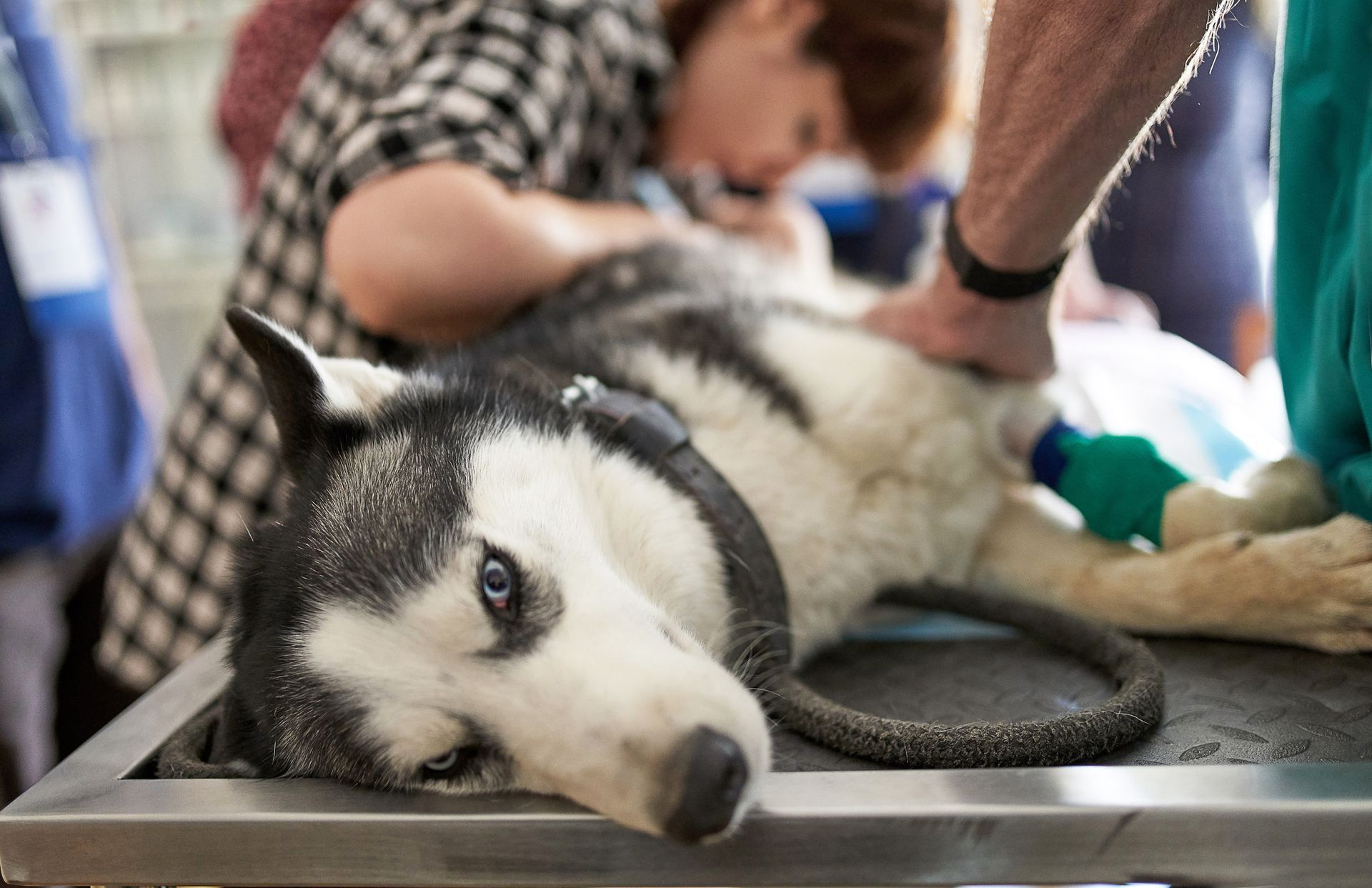
Understanding what happens during an animal surgical procedure can help pet owners feel prepared, informed, and less anxious when their pet needs care. Whether the procedure is routine or more involved, knowing the steps from start to finish makes a meaningful difference.
How Veterinarians Decide if Surgery Is Needed
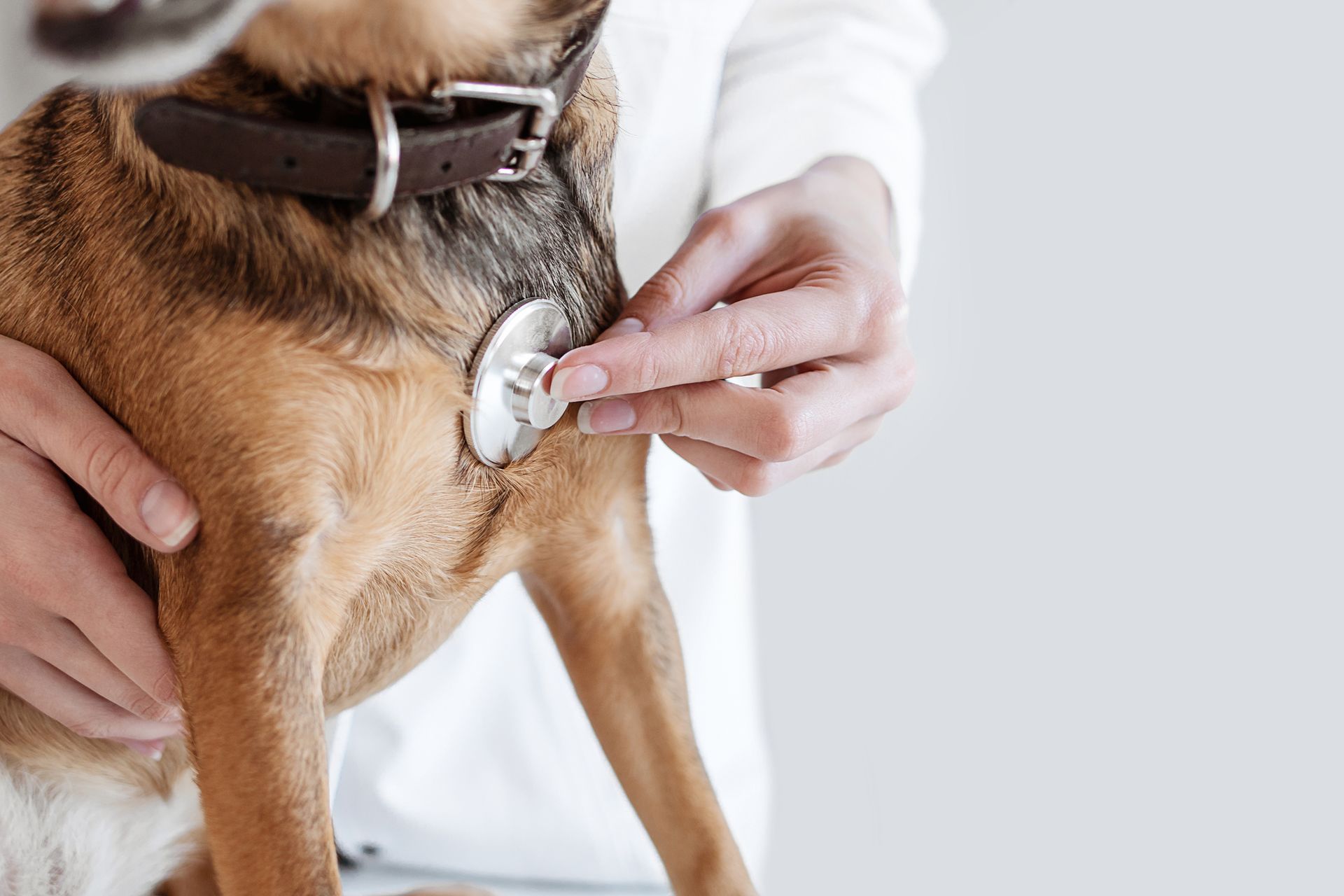
Surgery may become necessary when other treatments have not resolved an injury or illness. A veterinarian will typically begin with a physical exam, lab work, and imaging to get a full picture of the animal's health. Common reasons a pet may need an animal surgical procedure include trauma, tumor removal, bladder issues, or dental disease.
Soft tissue, orthopedic, and dental surgeries are among the most frequently performed procedures for small animals in the Rochester, MN, area. Pets dealing with chronic conditions or injuries may benefit most from a surgical evaluation.
What Happens Step by Step
Most animal surgical procedures follow a predictable sequence. Here is what you can generally expect:
- Pre-surgical consultation: The veterinarian reviews the pet's health history and may order blood work or imaging to confirm the animal is a good candidate for anesthesia.
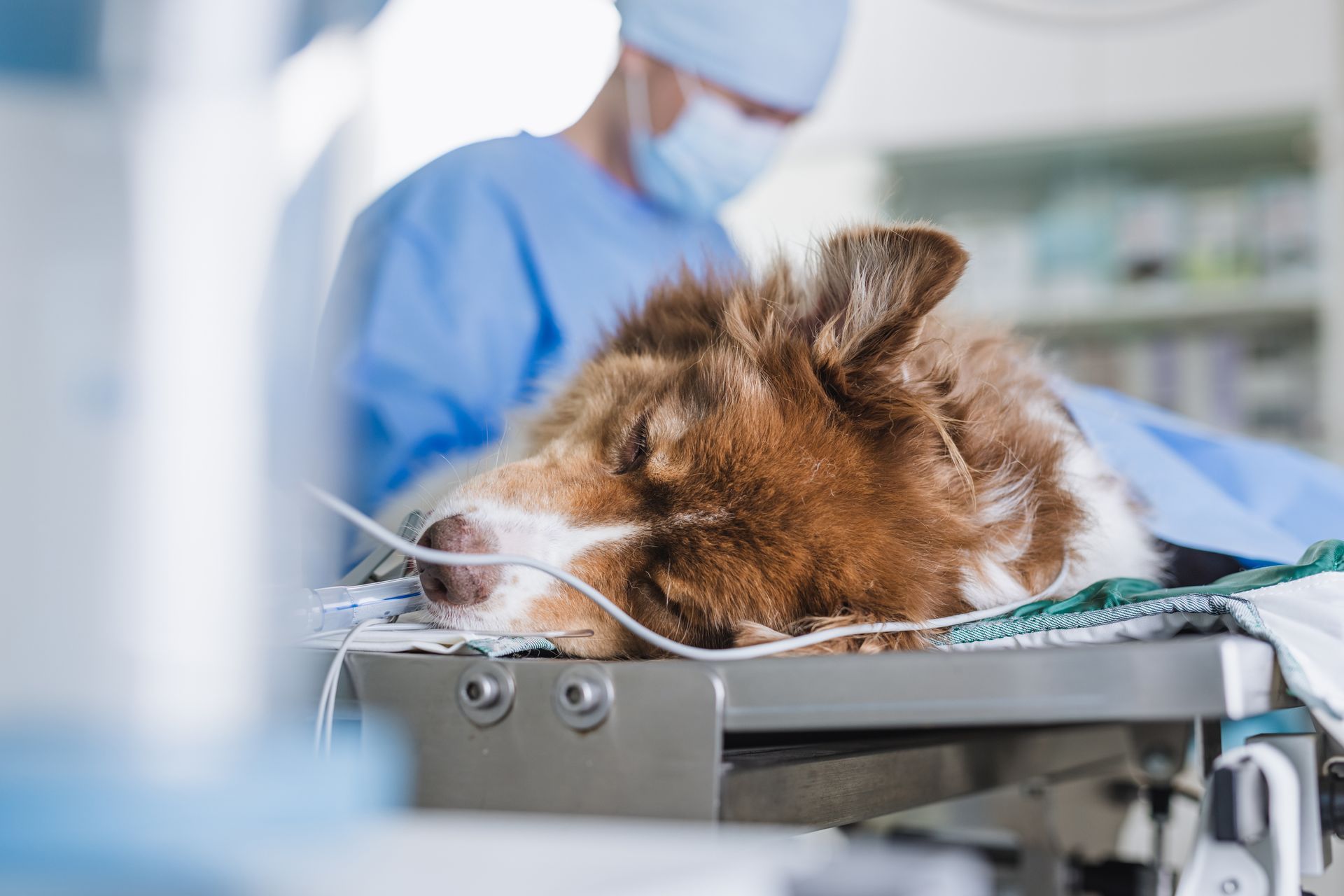
- Anesthesia preparation: Both injectable and inhalant anesthesia options may be available, depending on the procedure. The team monitors the animal closely throughout.
- The procedure itself: The veterinary team performs the surgery using sterile techniques and appropriate equipment. Monitoring continues throughout to track heart rate, breathing, and other vital signs.
- Recovery: After surgery, the animal is moved to a supervised recovery area until it is stable and alert.
Pain Management and Safety Monitoring
Pain management is a key part of veterinary surgical care. Veterinarians typically use a combination of pre-surgical and post-surgical medications to help keep animals comfortable. Anesthesia monitoring during an animal surgical procedure may include tracking oxygen levels, heart rhythm, and blood pressure.
Most surgical risks can be reduced significantly when pre-surgical screening is completed. Older animals or those with underlying health conditions may require additional monitoring steps.
How to Prepare Your Pet Before and After Surgery
Pet owners play an important role in surgical outcomes. Pre-surgery preparation often includes:
▸ Withholding food and water for a set period before the procedure, as directed by your veterinarian.
▸ Providing a current list of any medications your pet takes.
▸ Arranging a quiet, comfortable space at home for recovery.
Post-surgery care may include restricted activity, wound monitoring, and follow-up visits. Pets generally recover more smoothly when owners follow discharge instructions carefully. Recovery timelines can vary depending on the type of procedure and the animal's age and overall health.
Ready to Schedule a Surgical Consultation in Rochester, MN?
Plainview Veterinary Clinic provides compassionate surgical procedure care for pets in and around Rochester, MN. If your pet may need surgery, the team can walk you through every step and help you understand your options. Call (507) 534-3181 to schedule a consultation, use the online contact form, or learn more about available pet surgical services. You can also find and review us on Google at Plainview Veterinary Clinic.