What Affects the Cost of a Pet Surgical Procedure in Rochester, MN?
This guide explains what affects the cost of a pet surgical procedure in Rochester, MN, and how to plan for it. Every pet and every procedure is different, so a fair quote starts with understanding the main factors. Use this guide to ask better questions and feel prepared before you book a pet surgical procedure.
Why Pet Surgery Costs Vary
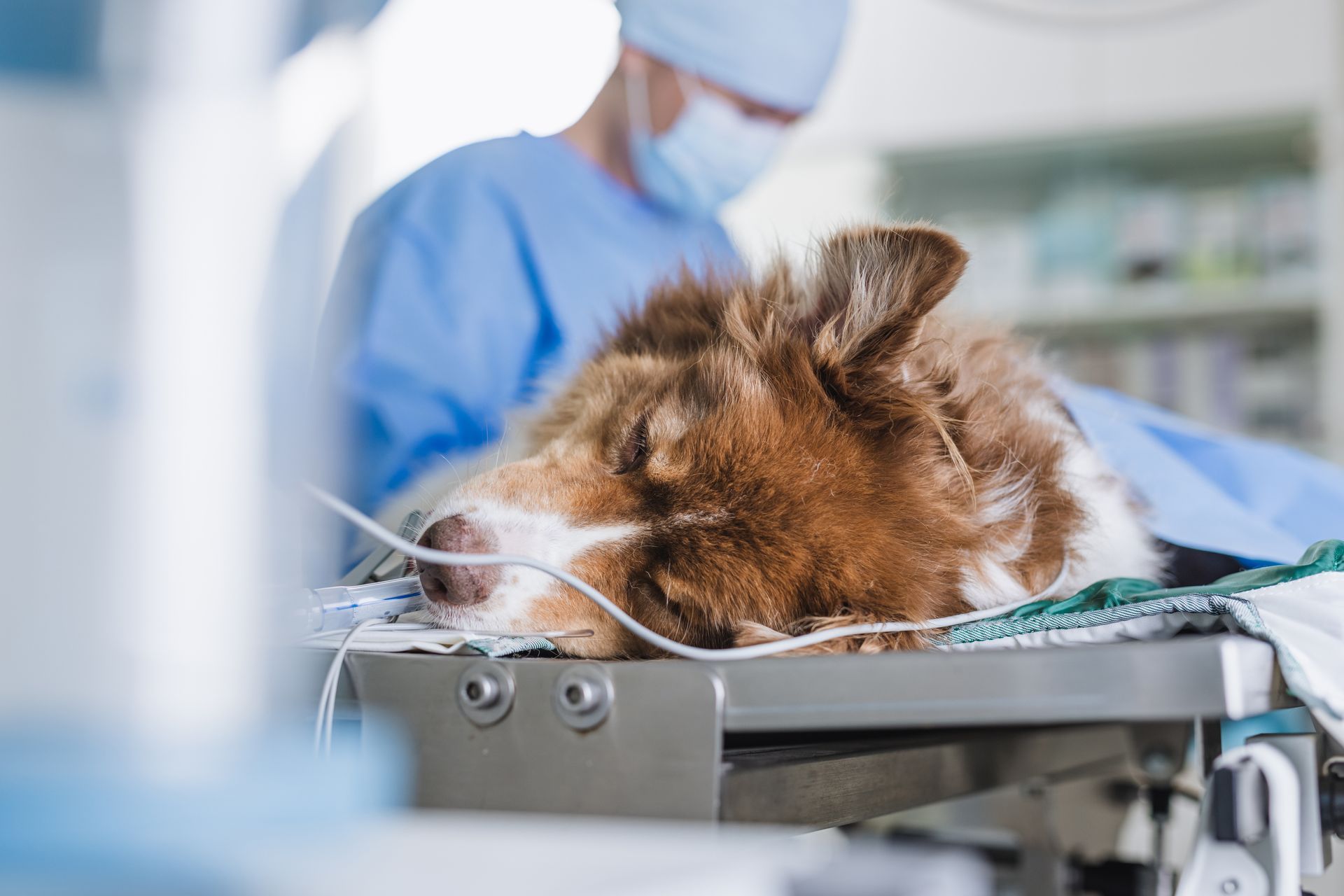
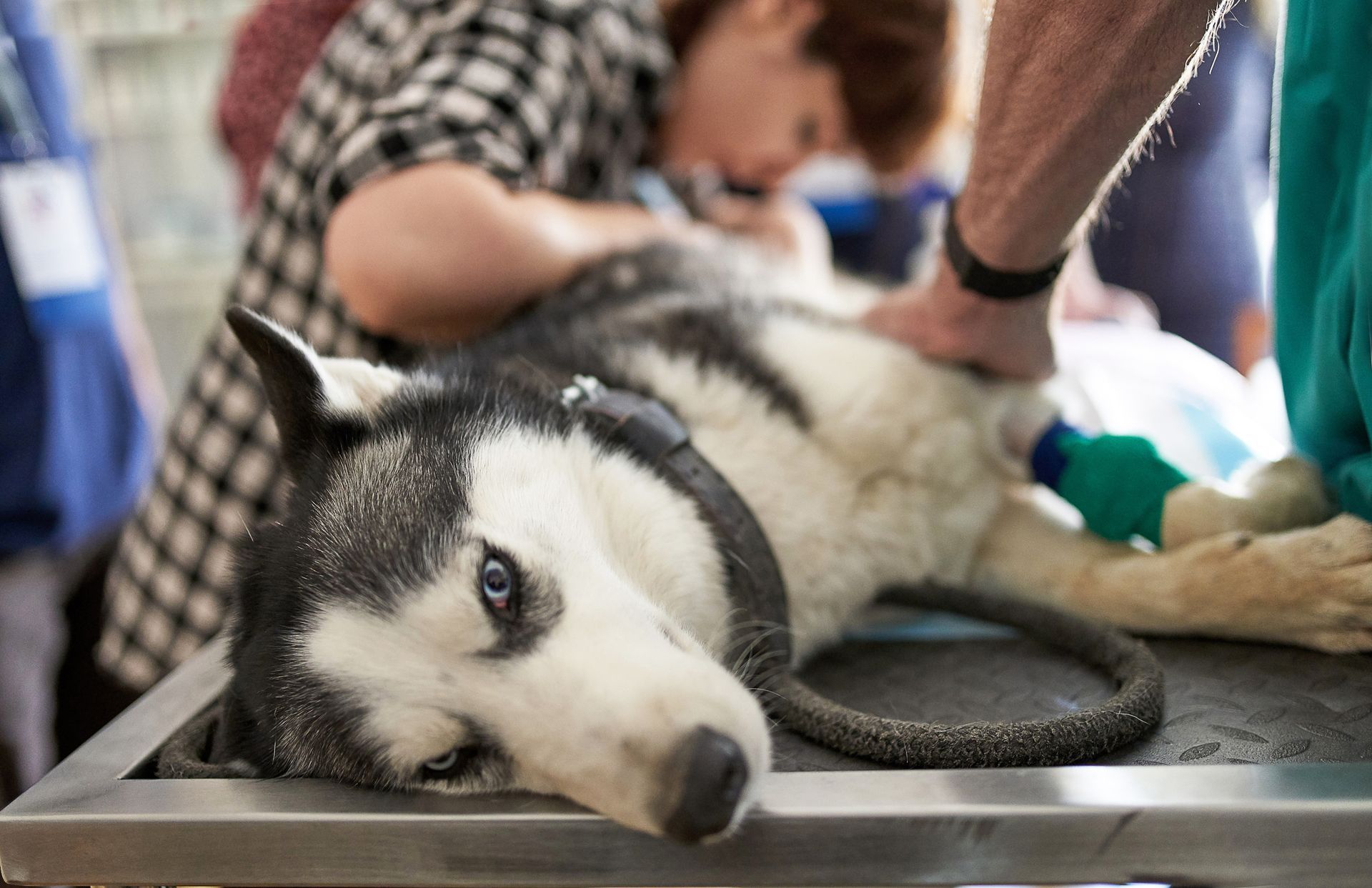
No two surgeries are the same, so no two estimates match. A routine spay for a young dog is very different from an abdominal surgery for a senior cat. A pet surgical procedure also includes more than the surgery itself.
Most estimates for a pet surgical procedure cover several parts of care. These parts can include the exam, testing, anesthesia, the procedure, pain management, and follow-up. Asking what is included helps you compare quotes fairly.
Main Factors That Shape the Estimate
Several details usually decide the final cost. Keep these in mind:
- Type of procedure: Routine spay and neuter differ from soft tissue or orthopedic surgery.
- Pet size and weight: Larger animals often need more anesthesia and supplies.
- Age and health: Senior pets or pets with other conditions may need extra care.
- Pre-surgical testing: Bloodwork and X-rays help plan a safe procedure.
- Anesthesia and monitoring: The type of anesthesia and the level of monitoring affect the plan.
- Pain management: Medications during and after surgery are part of a good plan.
- Follow-up visits: Rechecks help confirm your pet is healing well.
Why Pre-Surgical Testing Is Worth Planning For
Pre-surgical bloodwork can reveal hidden health concerns before anesthesia begins. It helps your veterinarian check organ function and plan the safest approach.
X-rays may also help your veterinarian understand what your pet needs. Testing adds to the estimate, but it can prevent surprises during surgery. Many owners find it gives peace of mind, and it helps you and your veterinarian choose the best plan together before surgery day arrives.
Planned Surgery Versus Urgent Surgery
A planned procedure gives you time to prepare and ask questions. You can schedule testing ahead and arrange your pet's recovery space.
Urgent surgery happens when an injury or illness cannot wait. Costs can differ because your pet may need extra monitoring or care. Acting early on warning signs, such as lumps or straining, may help you avoid an emergency later. Calling sooner also gives you more time to compare options, ask about payment, and prepare your home for your pet's recovery.
How to Get a Clear Estimate
A clear estimate starts with clear information. These steps help you get one:
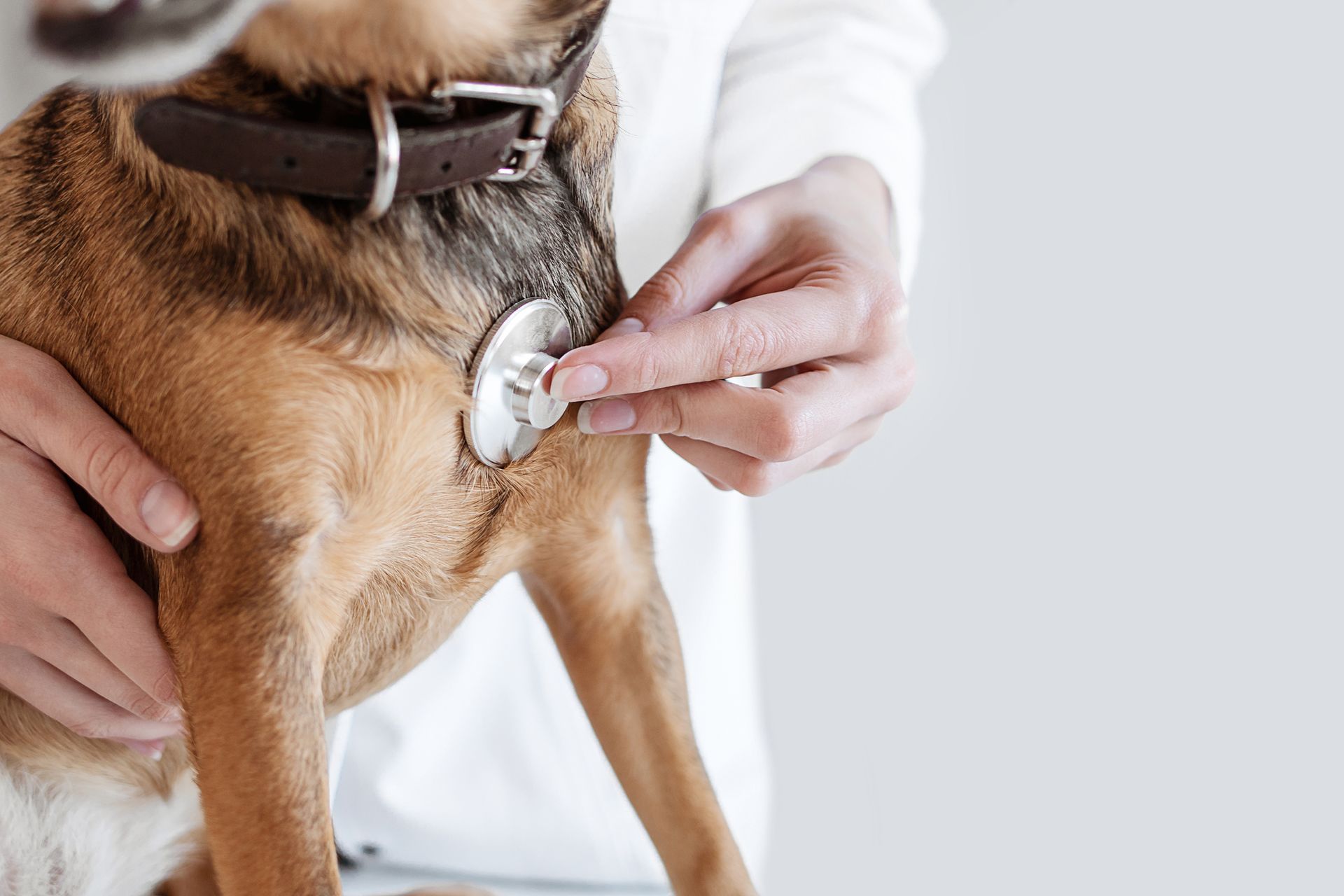
- Schedule a pre-surgical consultation so the veterinarian can examine your pet.
- Share your pet's health history and any medications.
- Ask which tests are recommended and why.
- Ask what the estimate includes, such as anesthesia, pain medication, and follow-up visits.
- Ask about payment options before the day of surgery so there are no surprises.
Ways to Plan Ahead for Surgery Costs
A little planning can ease the stress. Consider these tips:
- Keep up with regular checkups so small problems are found early, since a smaller procedure is often easier to plan for.
- Ask for a written estimate before you schedule.
- Ask about payment options, such as financing.
- Follow all aftercare instructions to avoid repeat visits.
- Save your pet's records in one place for future visits, including test results and aftercare notes.
Questions About Pet Surgery Estimates
Does the Estimate for a Pet Surgical Procedure Include Aftercare?
It depends on the clinic, so ask before you book. Many estimates include pain management and written aftercare instructions. A good estimate lists what is covered and what may be extra.
Can I Get a Quote Before My Pet's Surgery?
Yes, you can ask for an estimate during a pre-surgical consultation. The veterinarian needs to examine your pet first. Bring questions so you understand each part.
Why Does My Older Pet Need More Testing?
Older pets are more likely to have hidden health issues. Testing helps your veterinarian plan safe anesthesia. It can also show whether your pet needs extra support.
Do Larger Animals Cost More to Treat?
Larger animals often need more supplies and more anesthesia, which can raise costs. This is true for many kinds of surgery, from dental work to soft tissue procedures. Each case is different. Your veterinarian can explain what applies to your animal.
Plan Your Pet's Surgery With a Local Team
Clear costs start with honest conversations. Plainview Veterinary Clinic is a hometown clinic in Plainview, MN, serving Rochester, MN, pet owners and their animals. The team accepts major cards, cash, and debit, and financing is available.
Ready to talk about your pet's needs? Learn more about our
pet surgical procedures, or
contact us to schedule a consultation. You can also
call (507) 534-3181 to speak with our team.